


Blogging isn’t just a hobby, it can become a powerful income stream when you use the right strategies. In today’s market, affiliate marketing and other online monetization methods have grown hugely. For example, analysts project the affiliate marketing industry will reach about $27.8 billion by 2027. Many brands (over 80%) now run affiliate programs, and surveys show that display ads (like Google AdSense) and affiliate links are the most common ways bloggers earn money. In this post, we’ll start with affiliate marketing (the top method) and then cover other beginner-friendly options like ads, sponsored posts, digital products, memberships, and more. By the end, you’ll have a modern roadmap for turning your blog into a money-maker.
Affiliate Marketing: Share Products/Services & Earn Commissions

Affiliate marketing lets you promote products or services in your blog posts and earn a commission on any sales made through your unique link. It’s ideal for beginners because you don’t need to create your own product: you simply recommend something useful and collect a referral fee. In fact, affiliate marketing is a core revenue source for many content creators. One survey found that while Google AdSense is the single most common monetization tool, affiliate programs are right behind it for most bloggers. High-earning bloggers even report that selling others’ products can be more lucrative than ads. In practice, this means writing honest product reviews, tutorials, or gift guides with affiliate links embedded. For example, you might join Amazon Affiliate Program or niche networks and link to books, gear, or courses you trust.
Cuelinks: a leading affiliate network. Among affiliate platforms, Cuelinks stands out for beginners and veterans alike. Founded in 2011, Cuelinks has over 13 years of experience in affiliate marketing. It now powers 2,500+ global campaigns and 3,000+ active affiliate programs (with brands like Amazon, Flipkart, Udemy, Shopify, and more). Over 60,000 publishers worldwide trust Cuelinks to monetize their content. In short, Cuelinks connects you to thousands of brands, offering a wide range of products and services to promote.
Cuelinks also provides powerful tracking and tools that make affiliate marketing easy. Its platform automatically converts regular links into affiliate links and offers real-time analytics in a user-friendly dashboard. For example, every click you generate is sent through a secure Cuelinks tracking system (“linksredirect.com”) that processes and records each click and sale. This means you’ll see exactly where your traffic and sales are coming from. Accurate tracking ensures you get full credit for your referrals, so you can focus on creating content rather than complex tech. In short, Cuelinks’ experience and accurate tracking make affiliate marketing very accessible to new bloggers.

How to get started: Sign up for Cuelinks, browse the campaigns, and grab affiliate links to relevant products. Place those links in your blog posts where they fit naturally: for instance, in a “Top 10” list or a detailed product review. Whenever a reader clicks and buys through your link, you earn a commission. It’s a low-barrier, pay-for-performance system: no money down, just effort and engagement.
Display Ads (Google AdSense, MediaVine, etc.)

One of the simplest ways to monetize a blog is with display ads. This usually means joining an ad network like Google AdSense, and then placing ad units on your pages. When visitors view or click those ads, you earn revenue. The big advantage is it’s easy to set up: once approved by the ad network, you just paste some code and the ads appear automatically. Google AdSense, for example, is the world’s largest ad network and is a common choice for new bloggers. Many beginners start here because there’s no cost and AdSense will match ads to your content.
However, display ads generally require significant traffic to earn much. For a small blog, ad earnings might be modest at first. (Professional blog ad networks like Mediavine or AdThrive can pay much more, but they require tens of thousands of monthly pageviews before you can join.) Still, even small blogs often earn a few dollars a month with AdSense, which is better than zero income.
Key point: If your blog reaches a few thousand monthly visitors, add AdSense or another ad platform to supplement your income. But for very new blogs with little traffic, focus more on affiliate links and content growth first, since ad revenue scales with volume.
Sponsored Content and Brand Deals

Once your blog gains some audience and credibility, sponsored posts can be a lucrative option. A sponsored post is when a company pays you to write about its product or service. You might create a dedicated review or feature an interview, and the sponsor pays a flat fee or commission for the coverage. Sponsored content is a straightforward arrangement: a win-win for both you and the brand. In fact, sponsored content often pays much more per article than ads or affiliate sales, since companies pay for the single action of being featured.
To work with sponsors, you usually approach brands in your niche (or join a platform like Cooperatize or AspireIQ). Be sure to stay transparent: Google and laws require that sponsored posts be clearly labeled (for example, “This post is sponsored by…”). Focus on brands that fit your audience’s interests: for instance, a food blogger could partner with a kitchenware company. As you grow, even smaller blogs can land micro-sponsorships, such as gear companies or local businesses.
Sell Your Own Digital Products
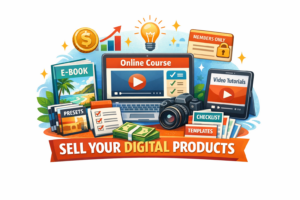
Digital products are items you create once and sell repeatedly online. These include e-books, online courses, printables, templates, software, or membership content. For a blogger, digital products are a powerful option because they leverage your expertise and content. For example, a travel blogger might sell a detailed trip planning ebook, or a photography blogger could offer preset packs or a video course.
Digital products offer high profit margins. After you build the product, it costs almost nothing to distribute (no manufacturing or shipping). This means every sale is mostly pure profit. Plus, creating a product positions you as an authority in your niche. Beginner-friendly tools like Gumroad or Teachable make it easy to sell downloads or courses directly from your site.
Examples of digital products include e-books, video tutorials, and premium membership guides. If you have specialized knowledge, even a simple checklist or mini-course can start selling.
Memberships & Subscriptions
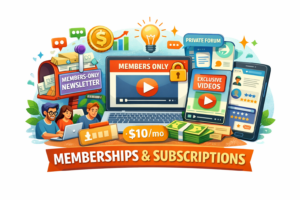
Another modern strategy is to build a membership or subscription model around your blog. This means offering exclusive content or community access to paying members. For example, you could run a members-only newsletter, a special video channel, or a private forum. Each month, members pay a fee (via Patreon, Memberful, Substack, etc.) to access this premium material.
Membership sites turn readers into ongoing supporters, creating a steady, recurring income. Even if your blog content is free, you might have bonus material that some fans would pay extra for. For instance, a gaming blogger could offer private Discord access or bonus game guides for a small monthly fee.
Services & Consulting

If your blog demonstrates expertise in a particular niche, you can offer services or consultations related to that expertise. For example, a marketing blogger might offer paid strategy sessions, or a fitness blogger could provide personalized training plans. These services can command high fees because you’re selling your time and know-how.
Services are very accessible for beginners because they don’t require extra inventory or partnerships. You simply reach out to your readers (via contact forms or email list) and offer your coaching, design work, editing, or whatever skill you have. The downside is these are time-intensive (your income is limited by hours you work), but they can pay well per client and deepen your relationship with your audience.
Other Monetization Ideas
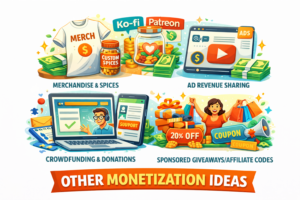
Beyond the main methods above, there are additional ways to monetize as your blog grows:
- Physical products/merchandise: Sell branded items or niche products (e.g. a cook could sell custom spice blends, or design t-shirts via print-on-demand).
- Crowdfunding & donations: Platforms like Patreon or Ko-fi allow readers to tip or support your work. This works well if you create a loyal community or exclusive content.
- Ad revenue sharing: Programs like YouTube’s Partner Program or blogging networks share ad earnings with creators (though blogging is usually website-based).
- Sponsored giveaways/affiliate codes: Run contests or give discount codes in partnership with brands for extra perks.
Not all of these fit every blog, but they show that opportunities expand as your audience does. The key takeaway is to diversify: you don’t have to rely on just one stream.
Getting Started: Tips for Your First Steps
- Choose a clear niche and stick to it. When you start blogging, pick a topic you love and an audience to help. Focusing (e.g. on tech gadgets, travel on a budget, healthy recipes) will help you grow readers faster.
- Build helpful content first. Before monetizing, create several solid blog posts that answer real questions or solve problems. Good content attracts traffic, which is the foundation for all monetization.
- Join affiliate programs early. Once you have a few posts, sign up for an affiliate network like Cuelinks and add relevant links. For example, if you review a product, include its affiliate link. This starts earning you commissions even with modest traffic.
- Set up ads when eligible. Apply for Google AdSense or a similar program. AdSense often lets small blogs in quickly. As your traffic grows, you can upgrade to higher-paying ad networks.
- Engage your audience and email list. Encourage readers to subscribe to your newsletter. An email list lets you share new content, promotions, and product launches directly with interested fans.
- Be patient and consistent. Blogging income usually builds slowly. It may take months before you see significant earnings. Don’t get discouraged: keep publishing, learning SEO and promotion (social media, SEO), and refining your methods.
Starting small is fine. Even one or two dollars at first shows the model works and motivates you to grow. As your audience grows, compound your efforts: add more affiliate links, seek a sponsored post, or launch a simple digital product. Each step builds on the last.
Final encouragement: Remember, many successful bloggers began with zero traffic and learned as they went. Stay curious, track what earns you money, and double down on those strategies. With persistence, your blog can gradually turn from a passion project into a rewarding revenue source. Good luck on your blogging journey!

Sahil Ajmera is content writer with more than 7 years of work experience in field of Affiliate Marketing, Digital Marketing, etc. He loves saving money on everything. His aim is to get readers exactly what they are looking for and that too without wasting much of their time. Whatever he is writing on, you are sure to find a way to earn & save good!


Comments are closed.