

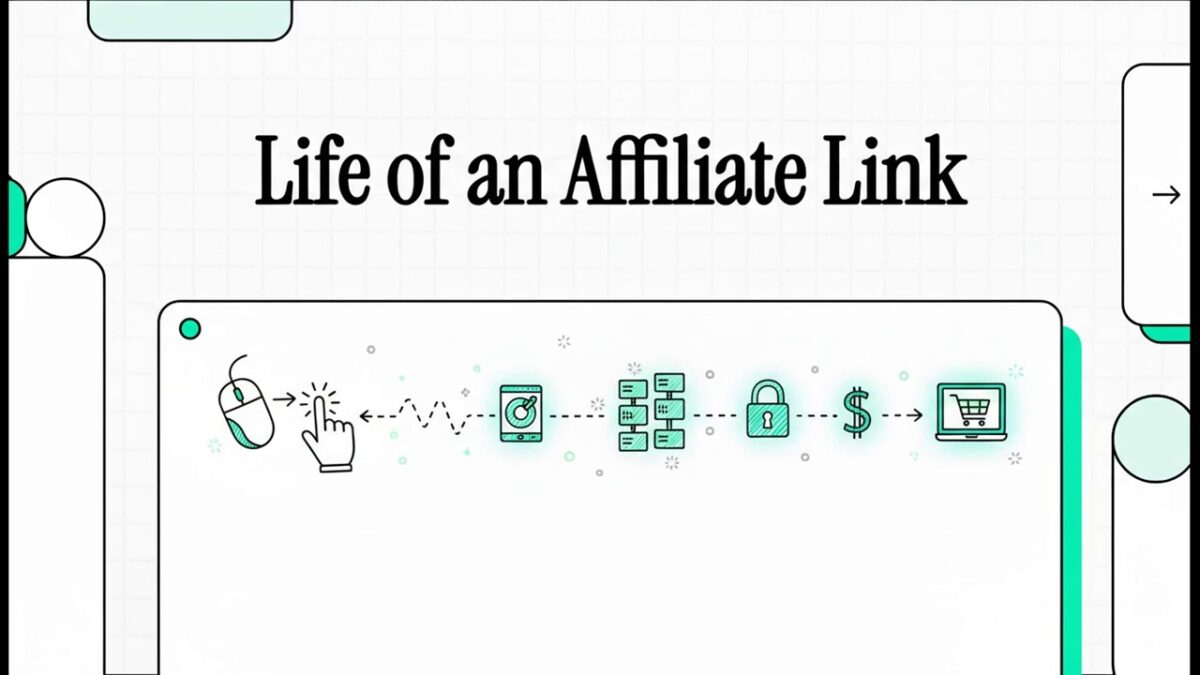
Hey, have you ever wondered what really happens in that tiny little split second after someone clicks on one of your affiliate links? You know, it kind of feels like magic, right? But what’s actually going on is this super high-speed journey of data and tech. And honestly, understanding this journey is the key to really maximizing your earnings. So let’s do it.
Let’s trace the life of a link all the way from click to commission. I mean, on the surface, it seems so simple, doesn’t it? You share a link, somebody clicks it, a sale happens, boom. But for most of us, everything that happens in between, well, it’s a complete mystery.
It’s like this black box. But what if we could pry that box open and take a look inside? The truth is, in just a few milliseconds, we’re talking blink of an eye fast. That link you shared goes on this incredible journey.
It’s got to pass all these security checks, find its perfect campaign match, and then completely transform itself. And it does all of that for one reason: To make absolutely sure you get credit for that sale.
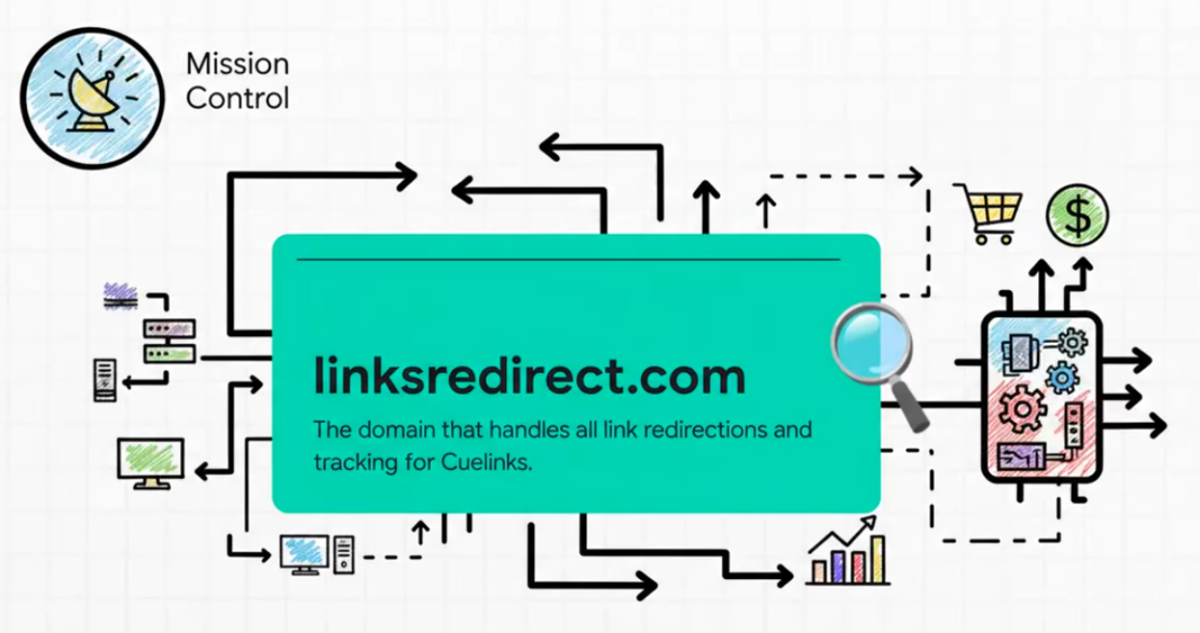
Okay, so at the very heart of this entire operation is a domain called linksredirect.com. Seriously, think of it like mission control at NASA. Every single click you generate, every single one has to pass through here first. This is where it gets processed, tracked, and sent off on the next leg of its journey.
All right, so if we’re going to understand this whole journey, we’ve got to start at the very beginning. And that’s the part where you have the most control. The anatomy of the link itself.
Believe me, how you build this link from the get-go has a massive impact on what you can learn from it later on. So you’ve basically got 2 main ways you can build a link.
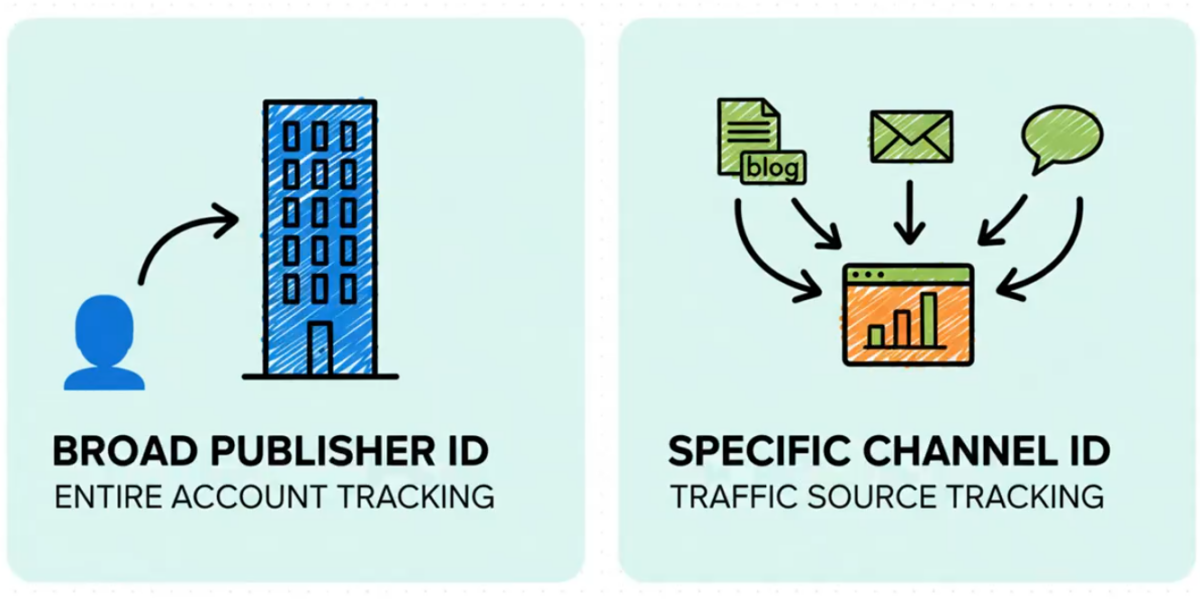
First, you can use your publisher ID. This is the broad approach. It just says, hey, this click came from my main account. It’s general.
Or you can get way more specific and use a channel ID. This is where you can track exactly where that click came from. Was it your blog, your email newsletter, a specific post on social media? That’s what a channel ID tells you.
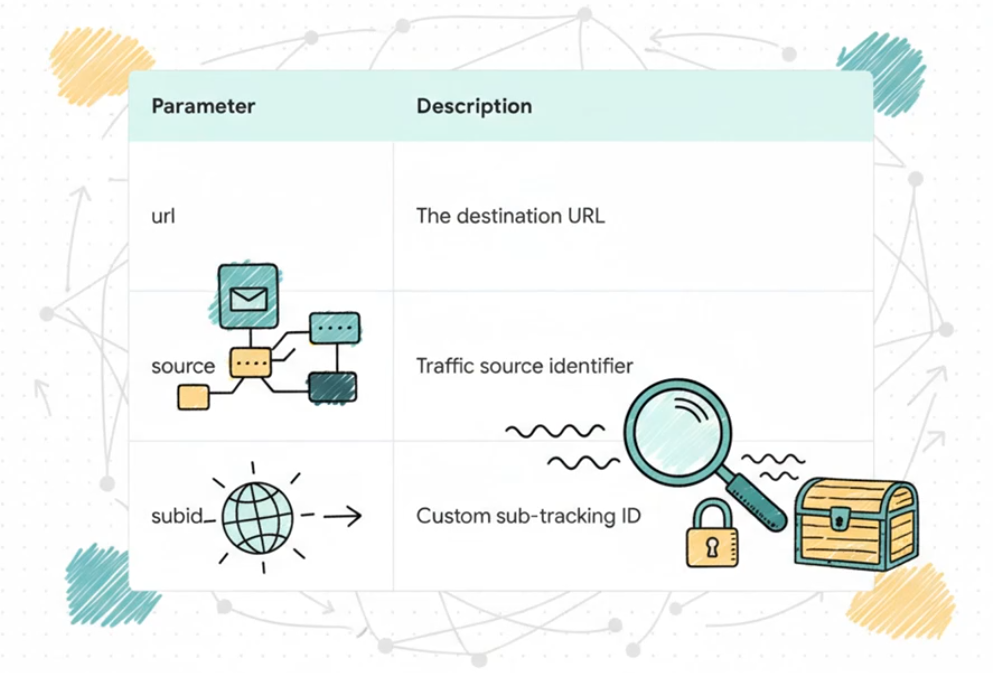
Now, every link is packed with key info. The URL parameter, that’s pretty obvious, right? That’s the destination. The source tells you what tool you use to make the link.
But listen up, because the sub-ID, this is where the magic happens for you, the publisher. This is where you get to add your own data. It’s like your secret weapon, a custom label you can slop on any click to see exactly what’s working and what’s not.
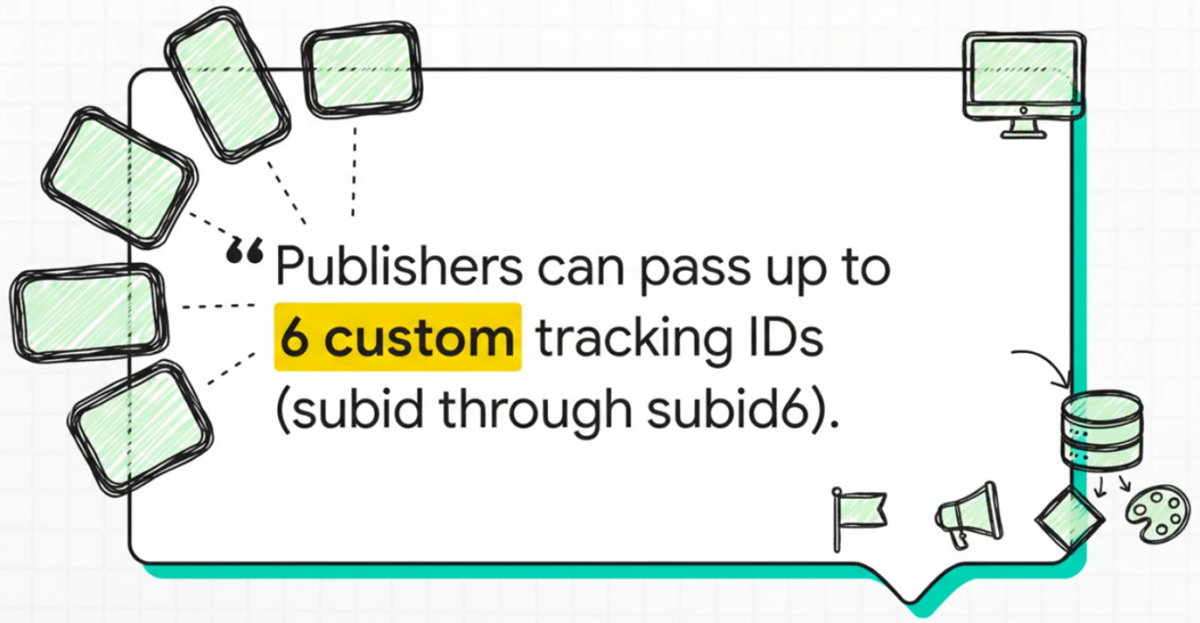
And get this, you’re not just limited to one custom label. Nope, you can use up to 6 of them. Think about what that means.
A single link can tell you it came from your summer sale campaign and it was in the header banner using the blue creative on your tech blog specifically for your mobile audience. Wow, that is an insane amount of insight from just one single click. Okay, so you’ve built this perfectly crafted link and a user clicks on it.
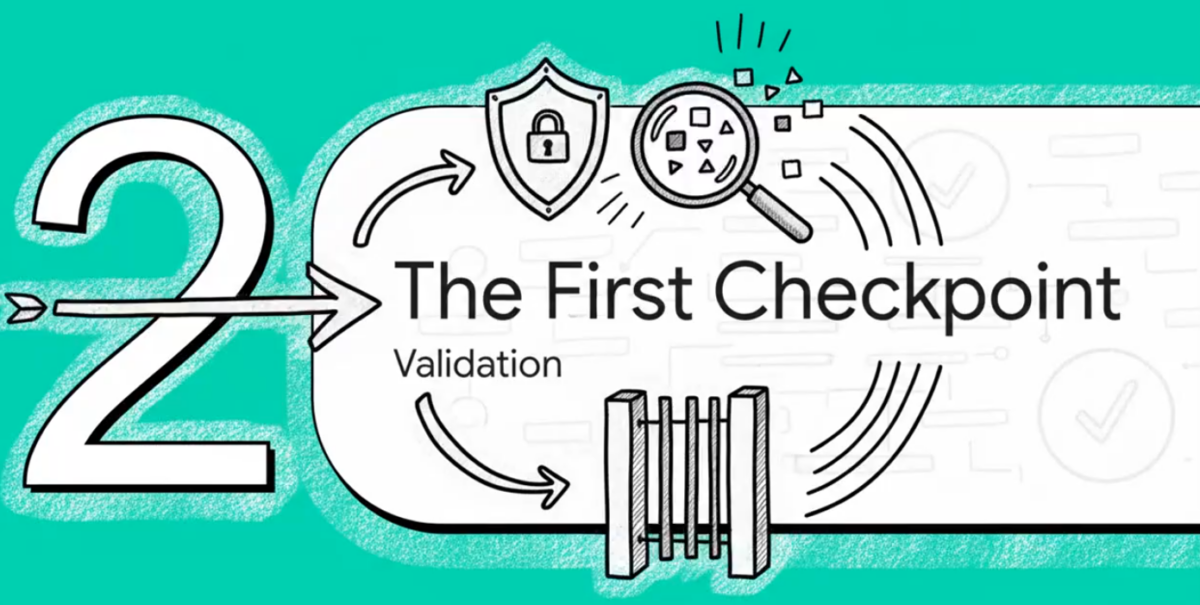
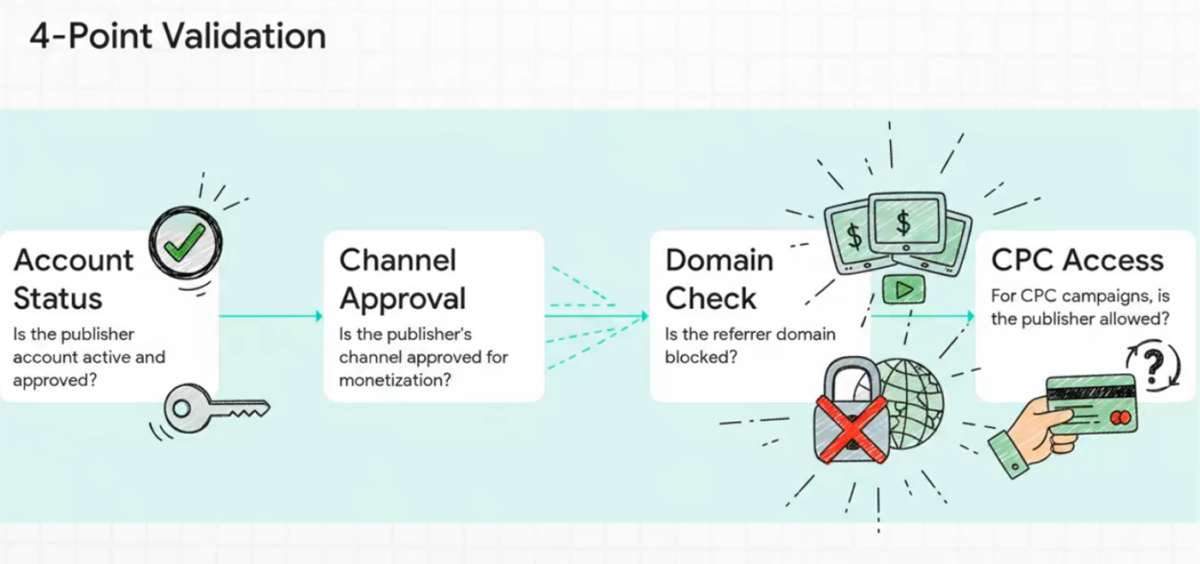
Awesome. But hold on, before that click goes anywhere near the merchant’s website, it has to get past a super critical security checkpoint. And this 4-point check happens in a flash.
First, the system checks, is your publisher account active? Check. Second, is the channel it came from, say, your website, approved for monetization? Check. Third, is this click coming from a shady, blocked domain? Nope. And finally, if it’s one of those special CPC campaigns, it verifies you have permission to run it. It’s all about making sure everything is legitimate and above board. And this part is so, so important.
If that click fails any one of those checks, the journey to monetization just stops, dead in its tracks. Now, the user still gets to the website they wanted to visit, but you won’t get credit for any sale that happens. This is exactly why keeping your account and channel details up to date is absolutely vital.
Alright, so the click passed the security check. Now the system gets to play matchmaker. Its job is to look at that destination URL and find the absolute perfect affiliate campaign to pair it with.
And the system is pretty smart about how it does this. It starts broad and gets more and more specific. A generic match just looks at the main domain, you know, like amazon.in. But a path match is way smarter.
It can actually see a specific part of the URL, like gp/goldbox, and know, aha, this needs to go to the special amazon deals campaign. It can even spot specific subdomains, like for mobile versions of a site. But just finding a matching campaign isn’t the end of the story.
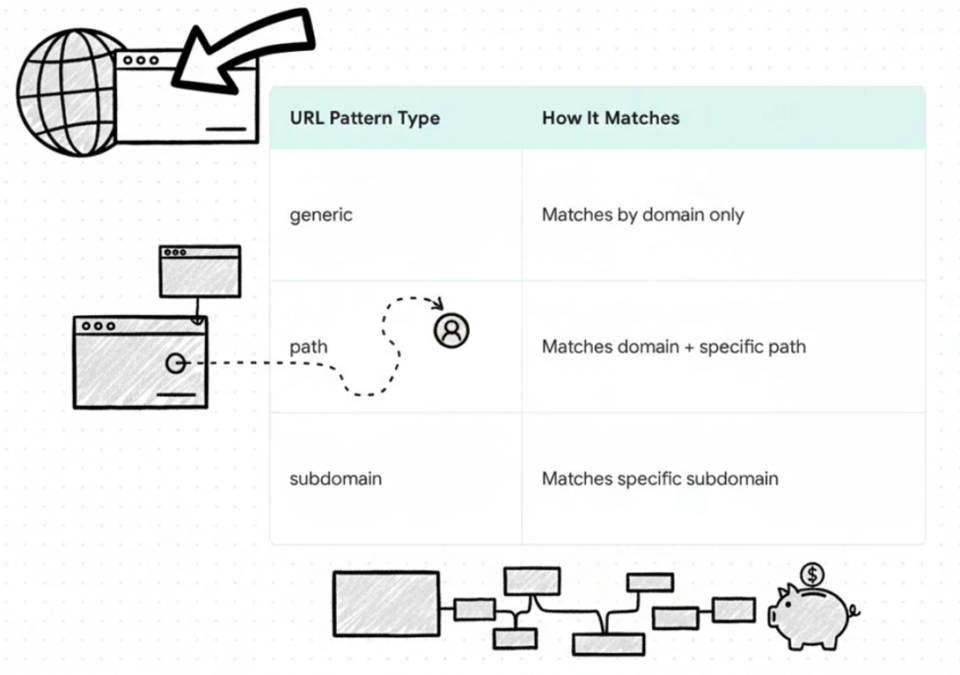
That campaign also has to be active and, crucially, approved for you. You know, if it’s paused or if it’s a private campaign that you don’t have access to, then the system just can’t monetize the click. Basically, the campaign has to be open for business, and you need to be on the guest list.
Okay, let’s recap. The click is validated, the campaign is matched, and now? Now it’s time for the transformation. This is the really cool part.
This is where your simple, clean link gets totally rebuilt into a powerful, money-making affiliate URL. So it all starts with the clean destination URL you put in. It’s simple, it’s direct, it’s easy to read, but right now, it’s just a plain link. It doesn’t have any of the crucial tracking information baked into it yet. So how does the system know what to add? Well, it follows a very specific blueprint called a link structure.
See, every single affiliate network has its own unique set of rules for how their tracking links have to be built. This link structure is basically the instruction manual for that specific network, telling our system exactly how to perform the transformation. This blueprint is full of these little placeholders that let it build the link on the fly.
So when the system sees a tag like SubID, it knows to instantly swap in that custom value you provided, like Campaign123. It does the same thing for all the other key pieces of data, basically assembling the final, perfect tracking link piece by piece. And here’s what you get at the end.
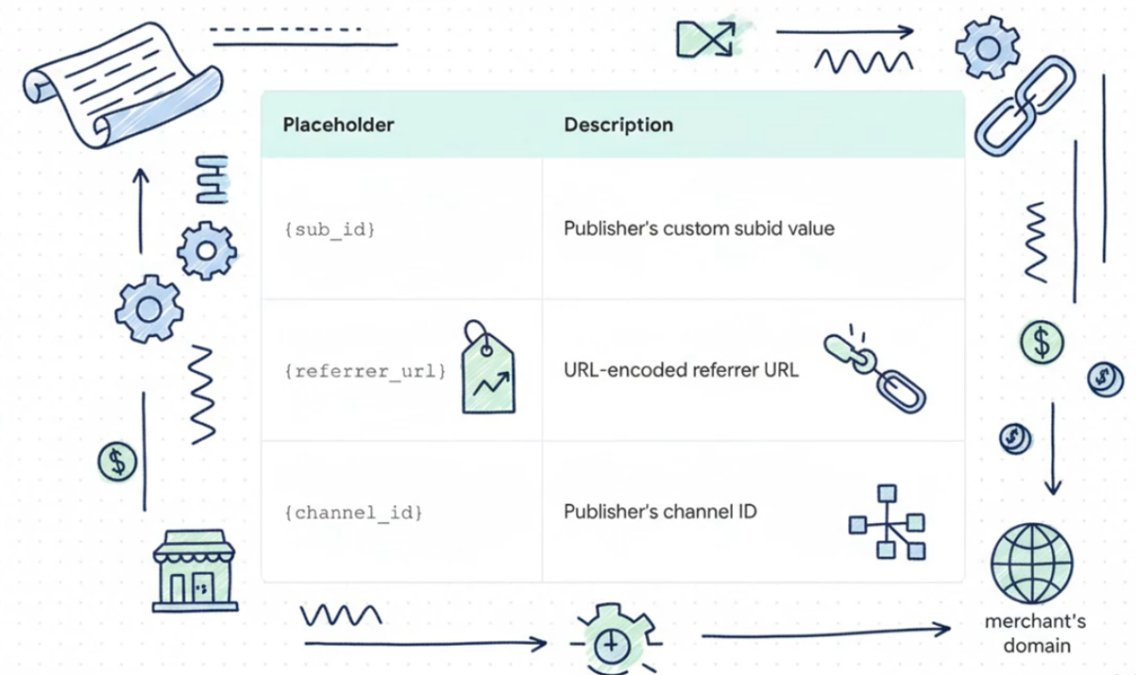
It looks complex, but it’s a perfectly formed tracking URL. Your simple little link has been totally rebuilt. It’s got the network’s prefix, all of your custom tracking IDs, and the final destination URL all bundled together.
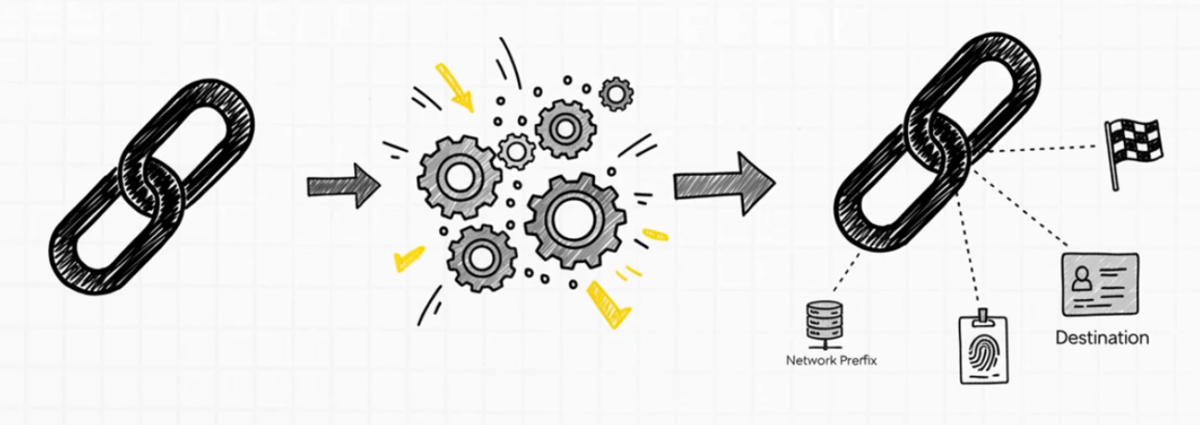
Every single part of this new link has a very specific job to do, and that job is to make sure you get credit. OK, we’re at the final leg of the journey, the payoff. The transformed link has done its job, it’s sent the user to the merchant.
Now we just need a way to connect a potential purchase all the way back to your account. And this is where something called the Click ID becomes the hero of the story. Right before the system sends the user on their way, it generates a completely unique code for that one single click.
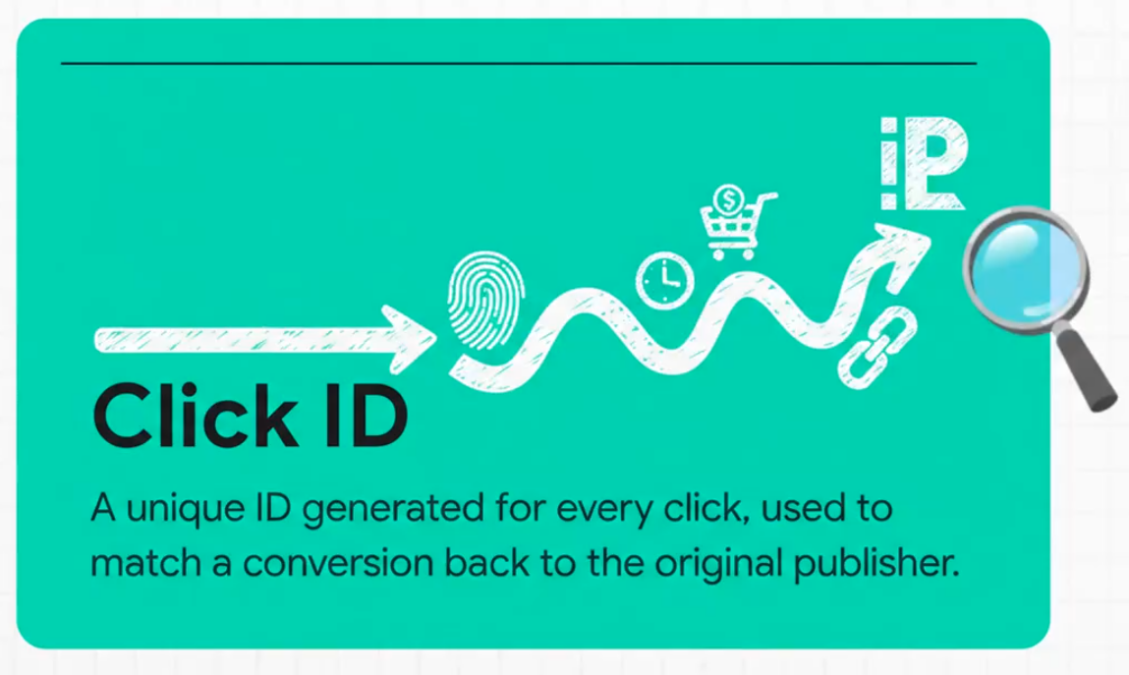
You can literally think of it as the click’s fingerprint. It’s one of a kind. And this ID is the crucial thread that connects the click you generated to a sale that might happen hours or even days later (within a specific cookie period).
The whole process relies on a super reliable technology called a server-to-server postback. It works like this. First, the user clicks your link, and that unique click ID, that fingerprint, is generated and saved. Then, maybe later, the user makes a purchase. When that happens, the affiliate network servers send a secure, behind-the-scenes message back to our servers. That message is the postback.
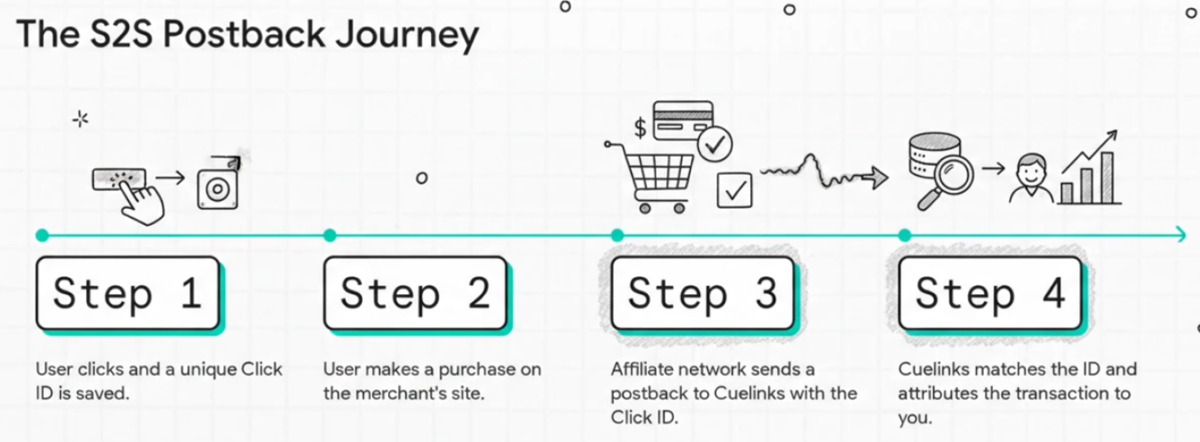
And guess what it contains? The original click ID. That’s how we match the sale directly back to you, and ka-ching, it shows up in your dashboard. And remember that whole transformation process we talked about with the link structures? Well, Cuelinks manages a unique blueprint for over 1000 different affiliate advertisers/brands.
Think about that for a second. That means you just have to create one simple link, and Cuelinks’ system automatically handles all the mind-boggling complexity of translating it into the perfect format for any of those 1k+ partners. You don’t have to worry about any of it.
So let’s do a quick recap of this whole journey. First up, validation. That’s the gatekeeper that decides if you can even earn money. Next is matching, where the link finds its ideal campaign. Then you’ve got ‘transformation’, where the link gets rebuilt for perfect tracking. A unique click ID is created to act as its fingerprint. And finally, those awesome sub-IDs you add at the very beginning. They would give you the power to analyze everything at the end.
So there you have it. Behind every single, seemingly simple click, there’s this incredibly powerful engine working behind the scenes to make sure you get paid.
Now that you’ve seen how it all works, the real question isn’t what happens, but what you’re going to do about it. How are you going to use powerful tools like sub-IDs to take control and become an even smarter, more data-driven publisher? Well, it’s ‘to be continued…’ So stay tuned! Till then keep linking smart & earning great!